

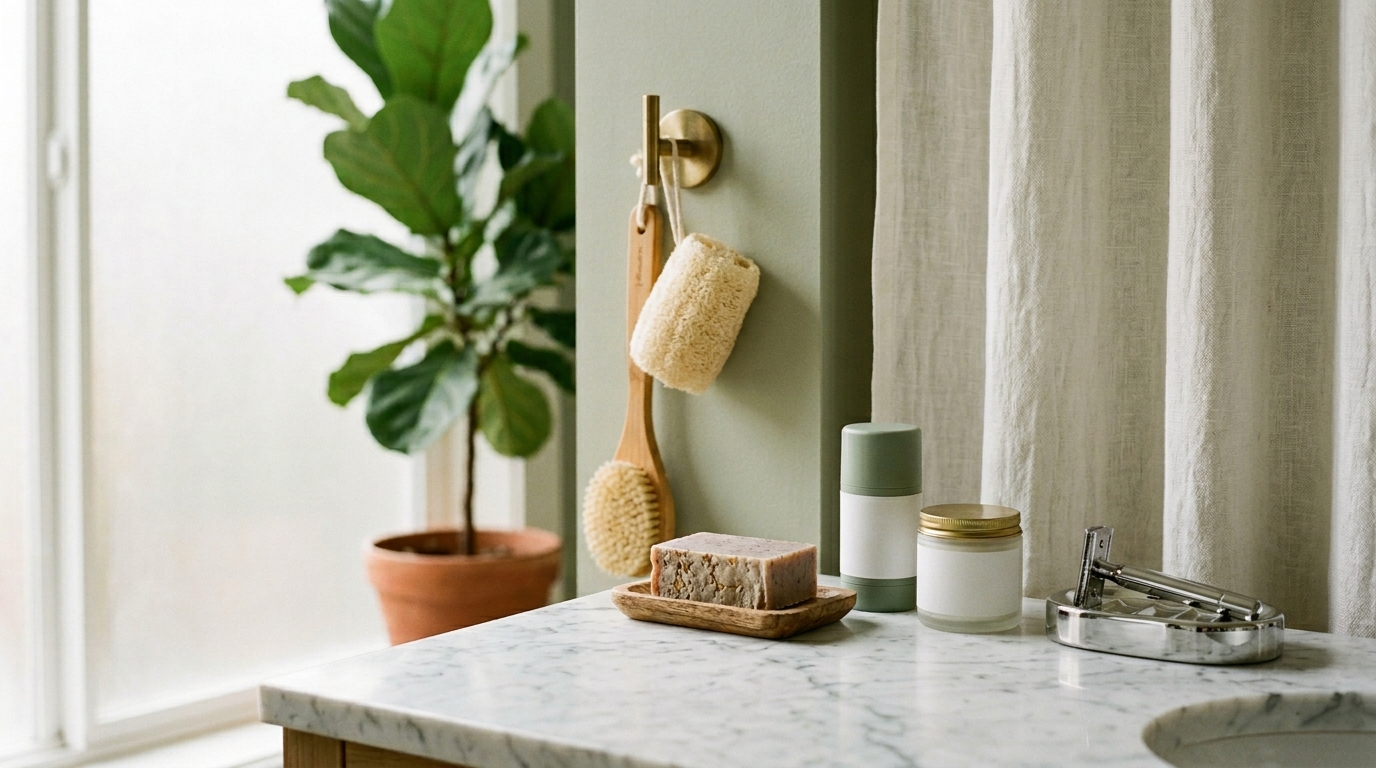
Luxury sustainable bathroom
Hero Landscape Image
Sustainable Hygiene  ·  Conscious Beauty

The Conscious
Bathroom Edit

Plastic-free swaps for the most overlooked room in your home. Effortless, elegant, and genuinely better.

10 Curated Swaps
0 Plastic Packaging
100% Worth It
Scroll to explore

Why the Bathroom?

The most wasteful room in your home is also
the easiest to fix.

Most people think about the kitchen first when going zero-waste: reusable bags, glass jars, bamboo utensils. But the bathroom is quietly one of the biggest sources of single-use plastic in the home.

Think about everything in a bathroom that gets thrown away: shower puffs, plastic bath brushes, PVC curtains, disposable razors, liquid soap bottles, deodorant sticks. Nearly all of it comes in plastic, and almost none of it gets recycled.

The good news? The bathroom is also one of the easiest rooms to overhaul. Most swaps cost the same as or less than what you are already buying, and many of them actually work better.

You don't need to do all of them at once. Start with one. When you run out of your current product, swap it for the eco version. That's it.

The Edit

Swaps worth
making this week

Each one is a direct, like-for-like replacement. No lifestyle overhaul required. Just better choices, one product at a time.

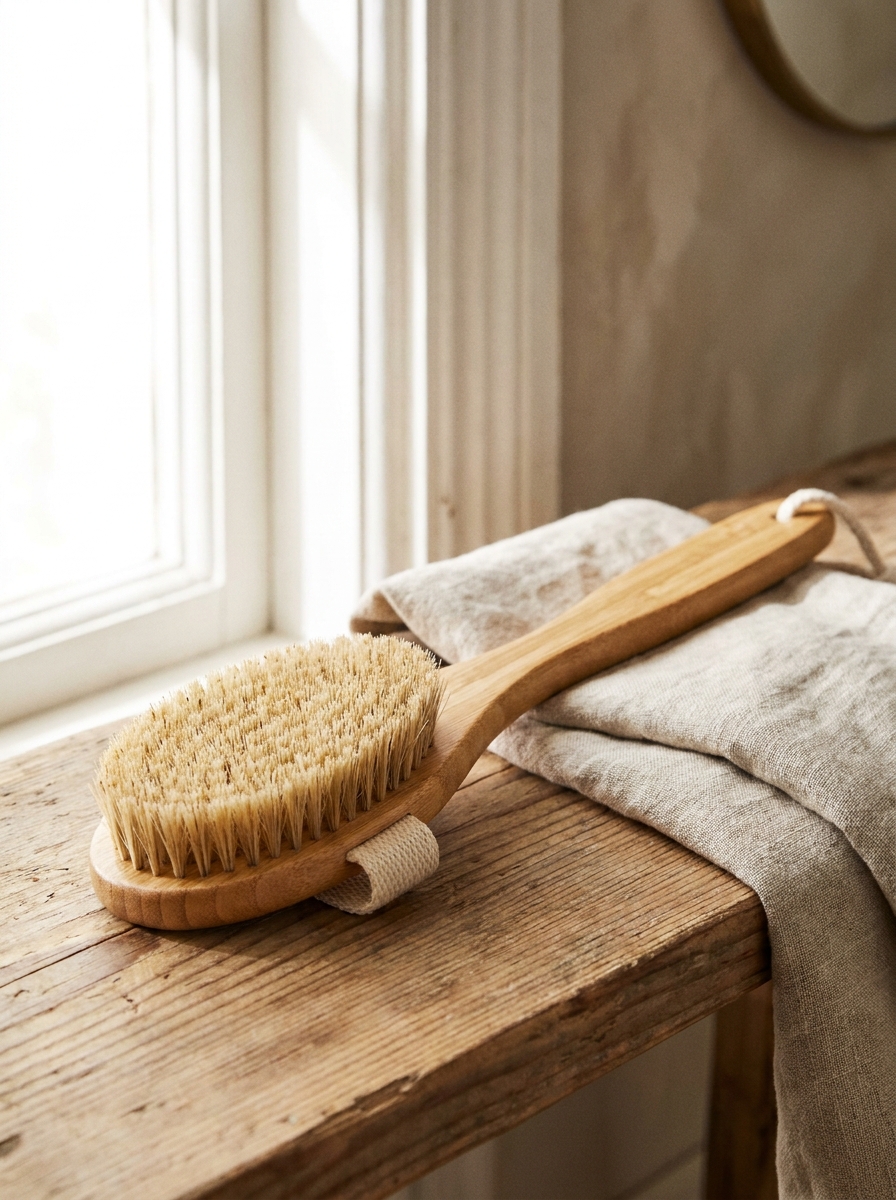
Bamboo Bath and Body Brush
🪣 Product Image Replace with bamboo bath brush photo
01
Shower Essential

Bamboo Bath and Body Brush

Replacing: Plastic-handled bath brush or loofah

Most shower brushes have plastic handles and synthetic bristles that shed microplastics directly into the water supply every time you use them. A bamboo bath brush with natural bristles is fully biodegradable, gentle on skin, and doubles as a dry-brushing tool to improve circulation before you step in.

Tip

Hang it to dry after each use. Natural bristles last longer when they're not sitting in a pool of water.

Impact

Eliminates microplastic shedding with every shower. One brush lasts 1 to 2 years or more.
Natural Loofah
🌾 Product Image Replace with natural loofah photo
02
Body Care

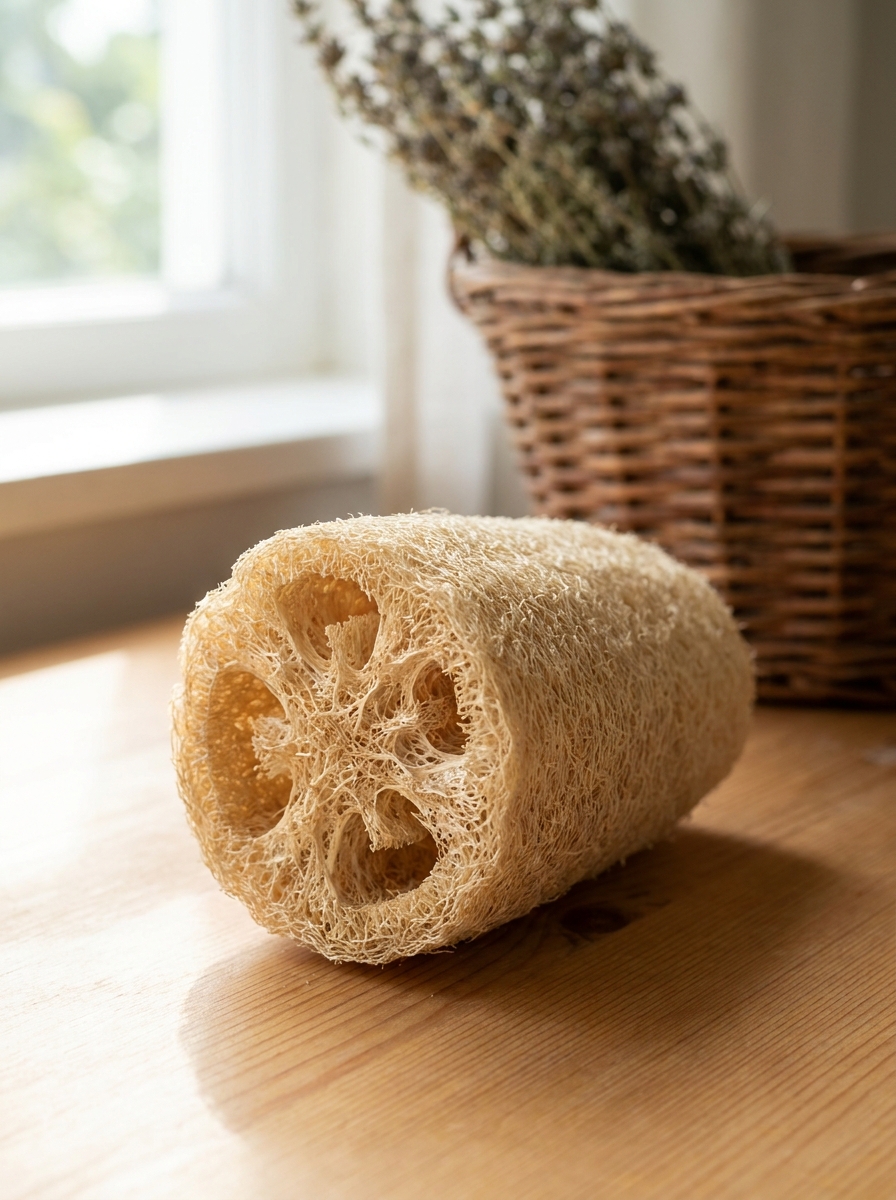
Natural Loofah

Replacing: Plastic shower puff or synthetic sponge

The colourful plastic shower puffs found in nearly every bathroom are made from nylon mesh that sheds microplastics with every wash and is impossible to recycle. A natural loofah is actually a plant: the dried fibrous interior of a gourd. It is 100% compostable, naturally antibacterial, and exfoliates far more effectively than any plastic puff.

Tip

Rinse thoroughly after each use and let it dry outside the shower. Replace every 3 to 4 weeks, then compost the old one.

Impact

Removes a major source of daily microplastic pollution from your shower.

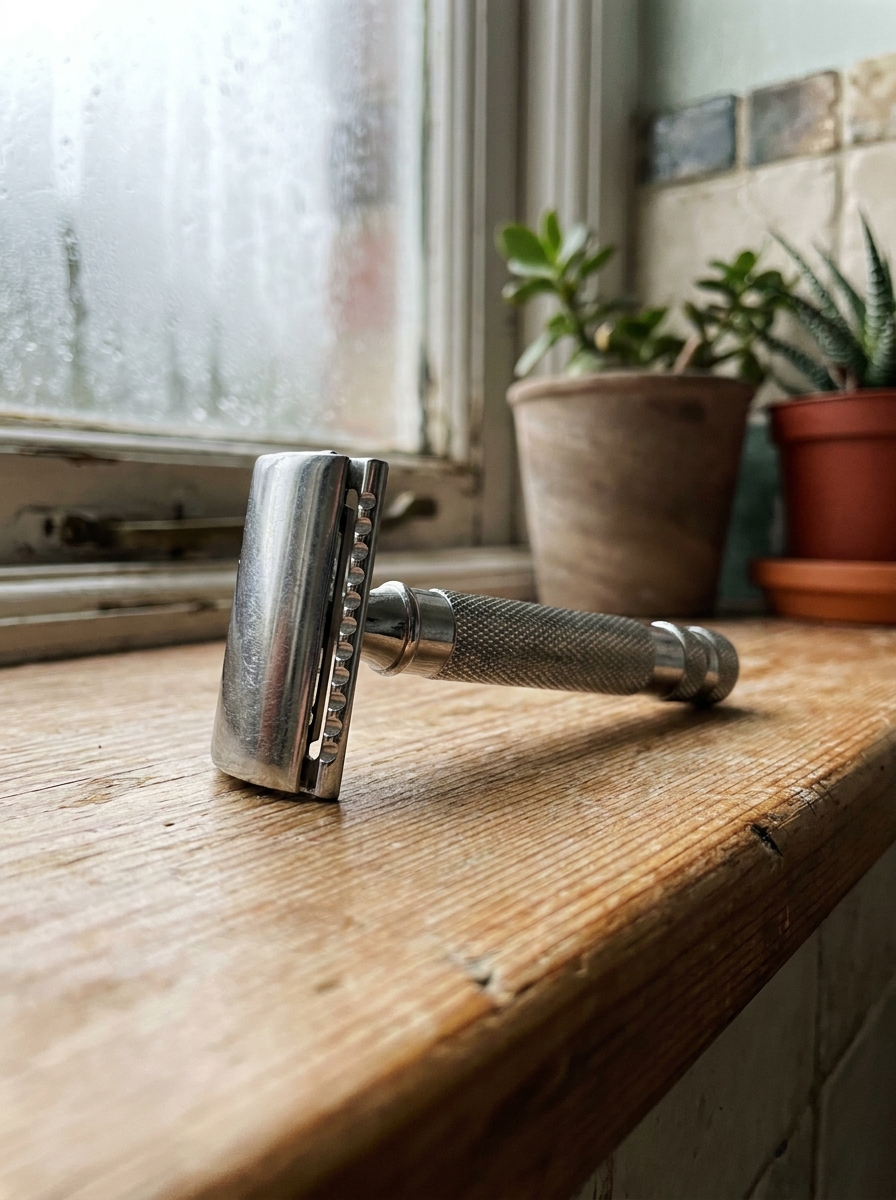
Safety Razor
🪒 Product Image Replace with safety razor photo
03
Grooming

Safety Razor

Replacing: Disposable plastic razors

Disposable razors are made of mixed plastics and metal, which makes them completely unrecyclable. A safety razor is a one-time purchase that lasts years or even decades. Only the thin metal blade is replaced, and blades are 100% recyclable.

Tip

Blades are remarkably affordable.They are often cost less than the price of a coffee for a pack of 100. Begin with a mild razor if you’re just starting out.

Impact

Saves hundreds of plastic razors over a lifetime.

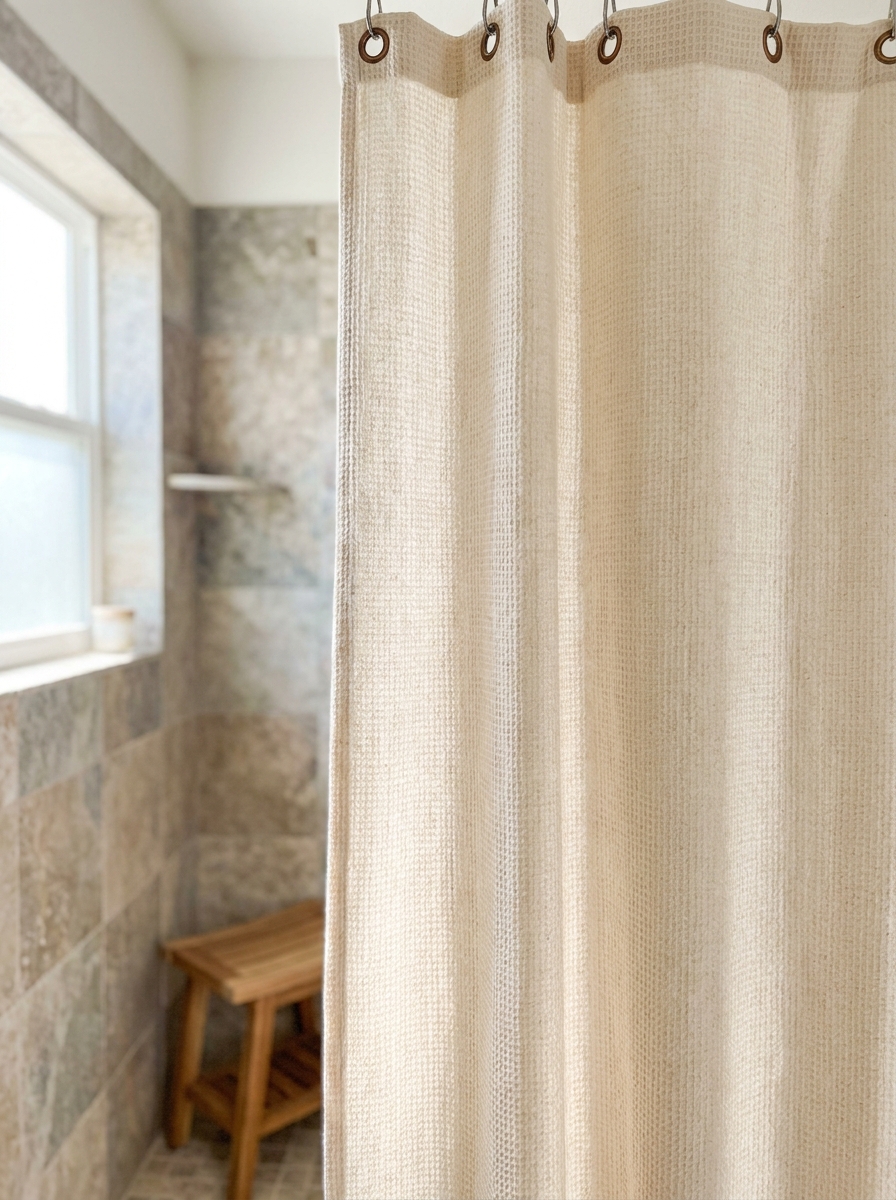
Plastic-Free Shower Curtain
🚿 Product Image Replace with shower curtain photo
04
Bathroom Decor

Plastic-Free Shower Curtain

Replacing: PVC or vinyl shower curtain

Standard PVC shower curtains release volatile organic compounds (VOCs) into the air of your bathroom, especially when new. They are not recyclable and end up in landfill. Organic cotton, linen, or PEVA shower curtains contain no harmful chemicals, look far more elegant, and can be machine-washed when they need refreshing.

Tip

Wash monthly on a gentle cycle. A hemp or linen curtain will actually get softer and more beautiful over time.

Impact

Removes a large source of indoor chemical exposure and replaces a non-recyclable plastic item.

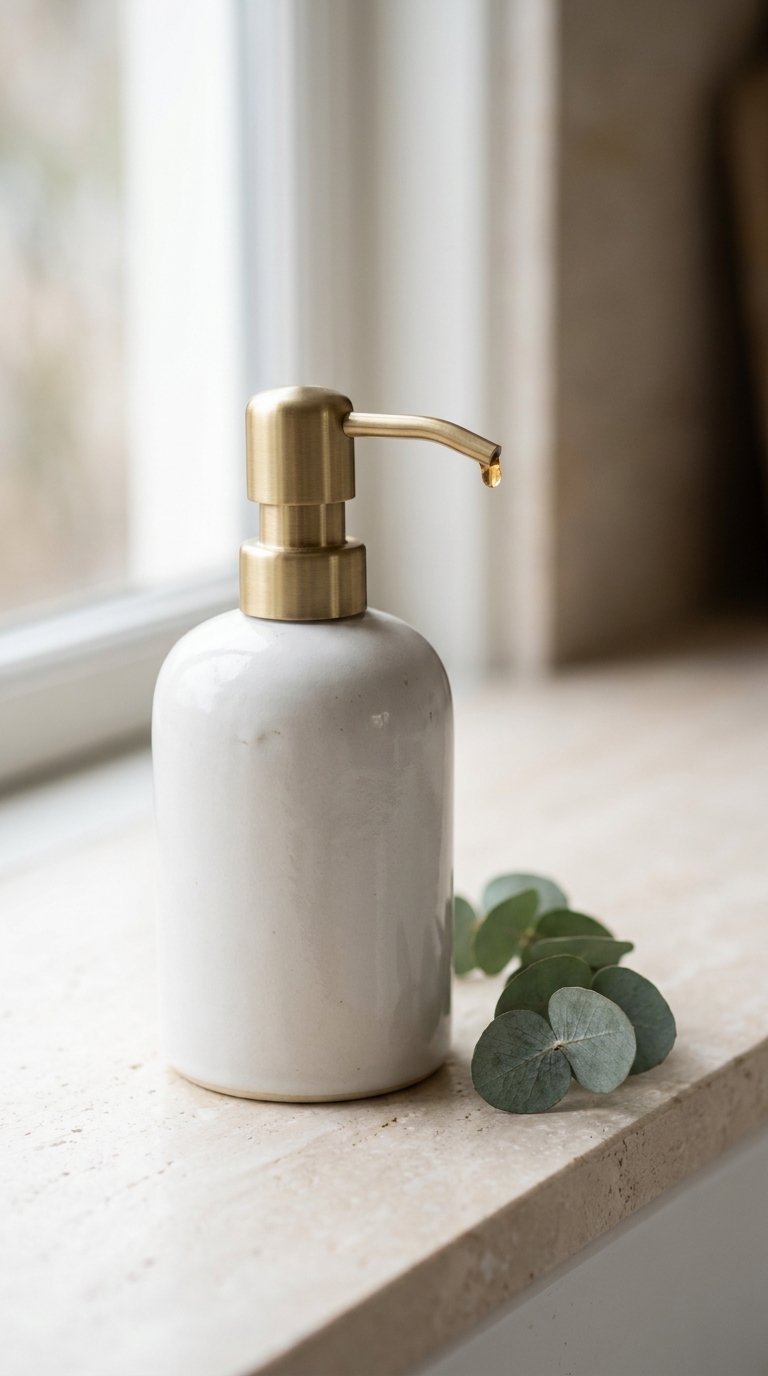
Ceramic Refillable Soap Dispenser
🫙 Product Image Replace with ceramic soap dispenser photo
05
Bathroom Essential

Ceramic Refillable Soap Dispenser

Replacing: Single-use plastic pump bottles

Most bathrooms go through 3 to 5 plastic pump bottles every year for hand wash, body wash, or lotion. A ceramic or glass dispenser with a stainless steel pump lasts indefinitely. You simply refill it from a bulk liquid soap or concentrate, which costs less per use and generates a fraction of the packaging waste.

Tip

Look for dispensers with a wide-mouth opening for easy, mess-free refilling. A metal pump head lasts 5 to 10 years.

Impact

Eliminates 3 to 5 plastic pump bottles per year. One dispenser can last a lifetime.

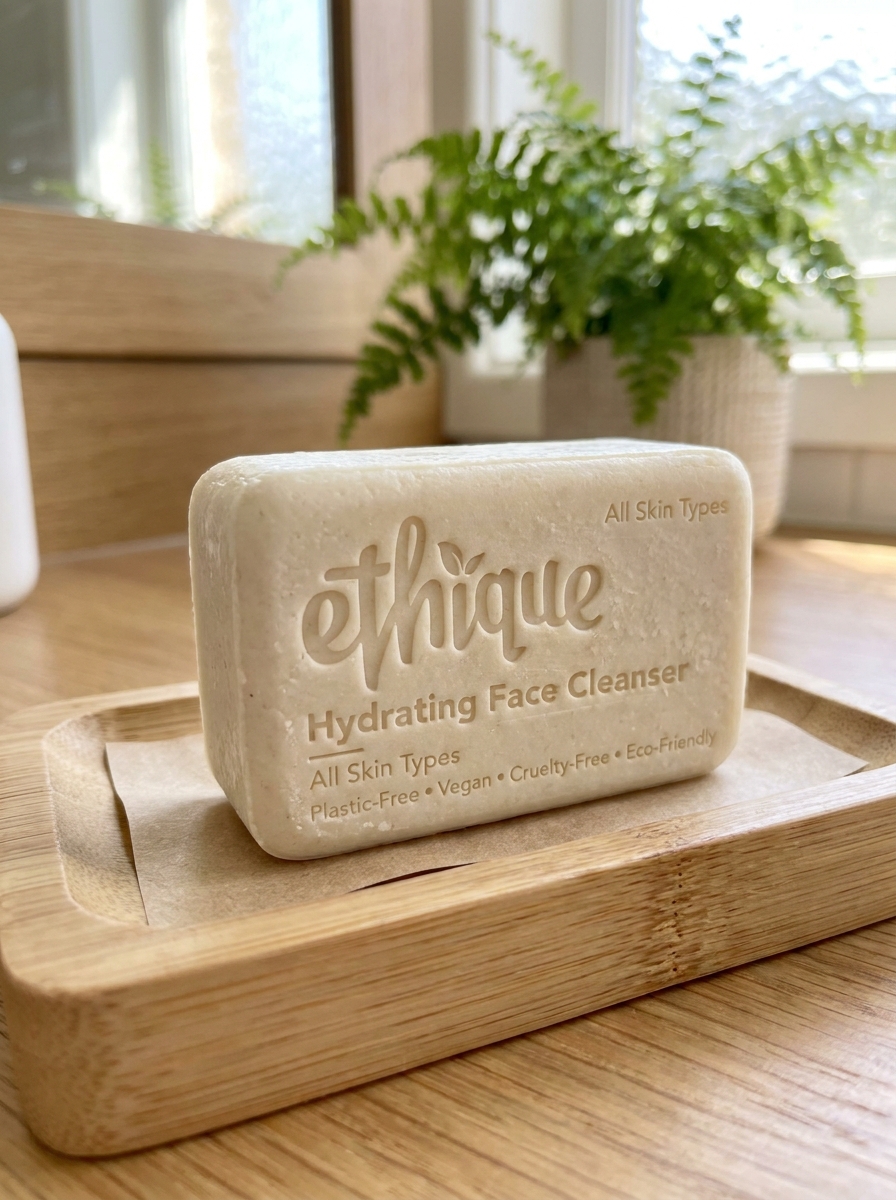
Solid Facial Cleanser
Product Image Replace with solid cleanser photo
06
Skincare

Solid Facial Cleanser

Replacing: Face wash in plastic bottles

Liquid face washes are mostly water wrapped in plastic. Solid facial cleansers are concentrated, plastic-free, and last much longer. Alternatively, look for face washes in glass jars with metal lids, which are infinitely recyclable.

Tip

Store your solid cleanser on a well-draining soap dish to extend its life.

Impact

Eliminates 2 to 4 plastic bottles per year.

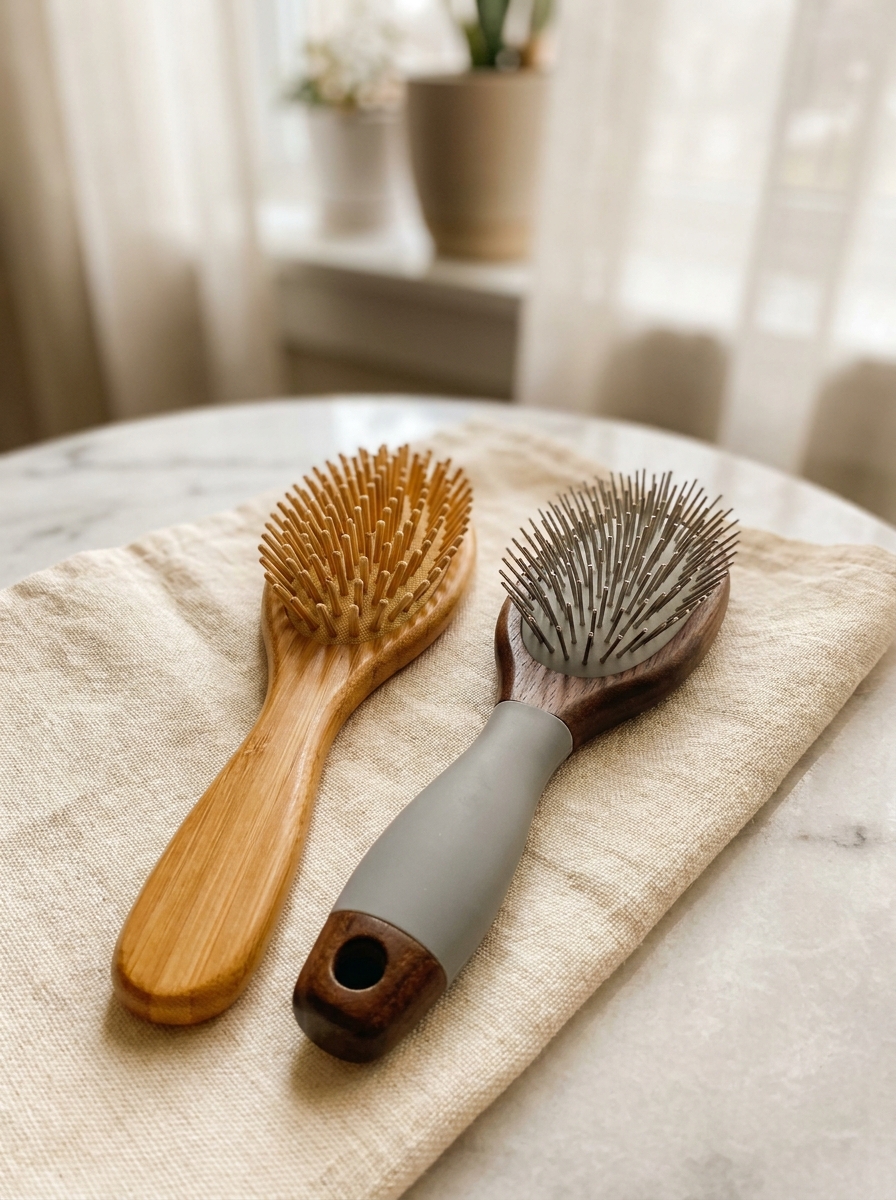
Bamboo or Stainless Steel Hairbrush
💆 Product Image Replace with bamboo hairbrush photo
07
Hair Care

Bamboo or Stainless Steel Hairbrush

Replacing: Plastic hairbrush

Plastic hairbrushes are nearly impossible to recycle. Bamboo-handled brushes with natural bristles are biodegradable, gentle on the scalp, and often better for reducing frizz. Stainless steel brushes are virtually indestructible.

Tip

Clean your brush weekly by removing trapped hair and gently washing the base with diluted shampoo.

Impact

One brush can last 5 to 10 or more years.

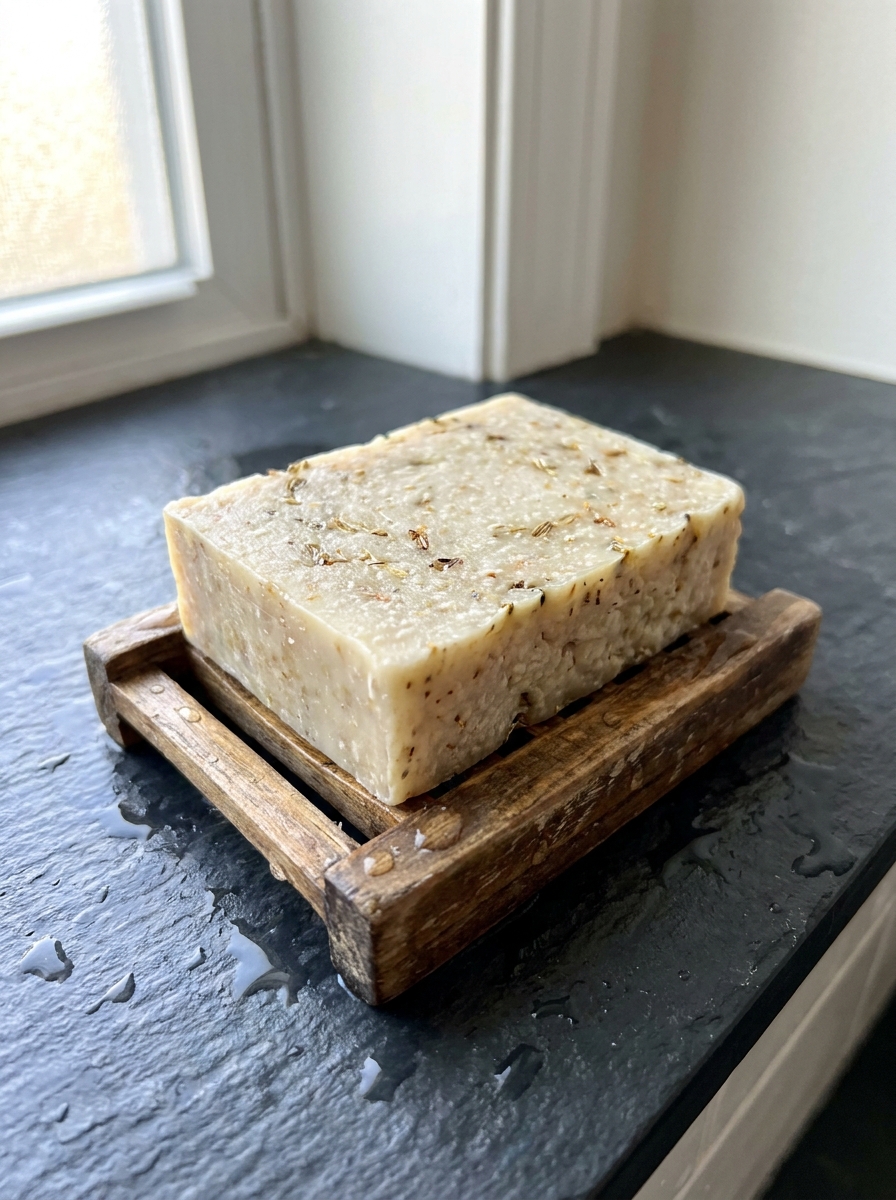
Bar Soap
🧼 Product Image Replace with bar soap photo
08
Body Care

Bar Soap

Replacing: Liquid soap in plastic pump bottles

Liquid soap uses up to 5 times more energy to produce than bar soap and comes in plastic that is rarely recycled. A simple, package-free bar of soap is one of the easiest and cheapest swaps you can make.

Tip

A wooden or ceramic soap dish keeps the bar dry between uses. It will last much longer.

Impact

Replaces 3 to 5 plastic pump bottles per year.

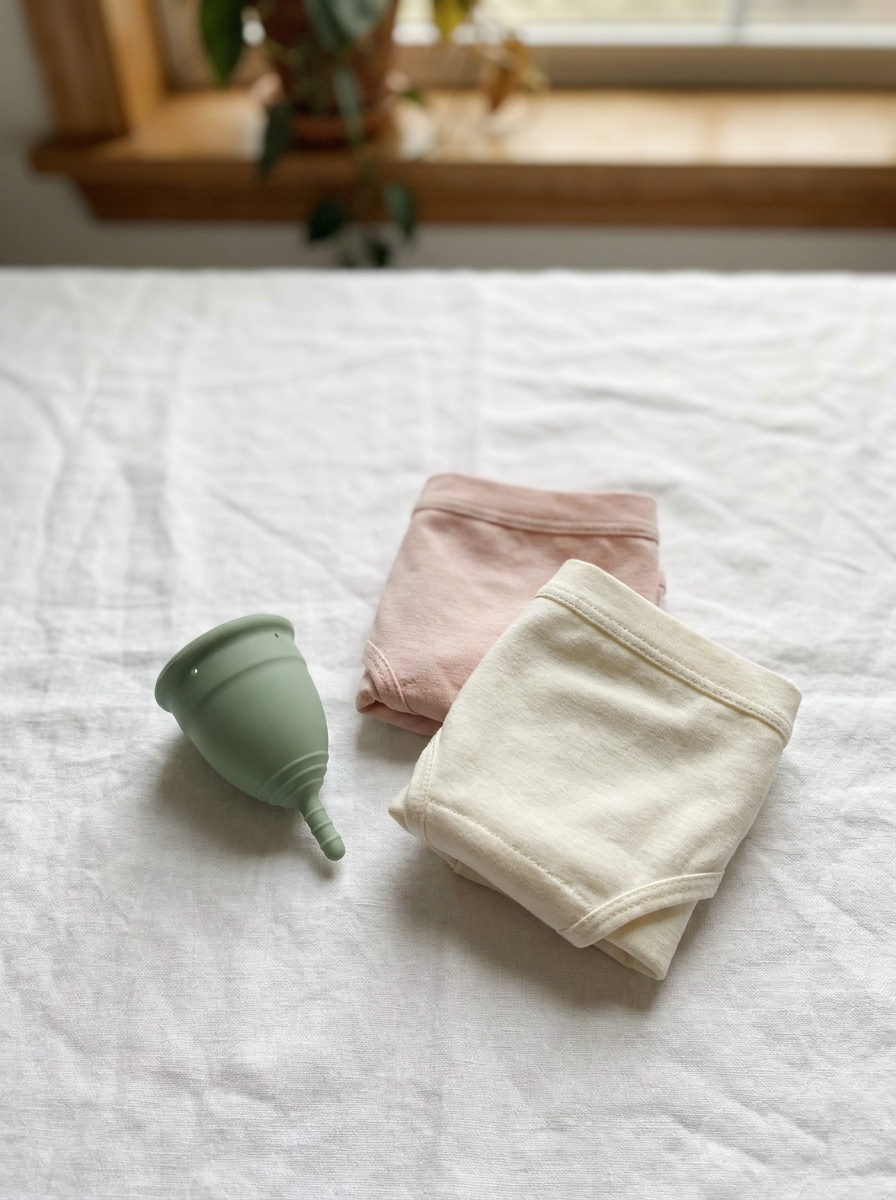
Menstrual Cup or Reusable Period Products
🌙 Product Image Replace with menstrual cup photo
09
Period Care

Menstrual Cup or Reusable Period Products

Replacing: Disposable pads and tampons

The average person uses between 5,000 and 15,000 disposable period products in their lifetime, most of which contain plastics and end up in landfill or waterways. A menstrual cup lasts up to 10 years. Reusable pads and period underwear are equally low-waste alternatives.

Tip

Menstrual cups have a learning curve, so give yourself 2 to 3 cycles to get comfortable. Period underwear is a great starting point.

Impact

Potentially eliminates thousands of single-use items over a lifetime.

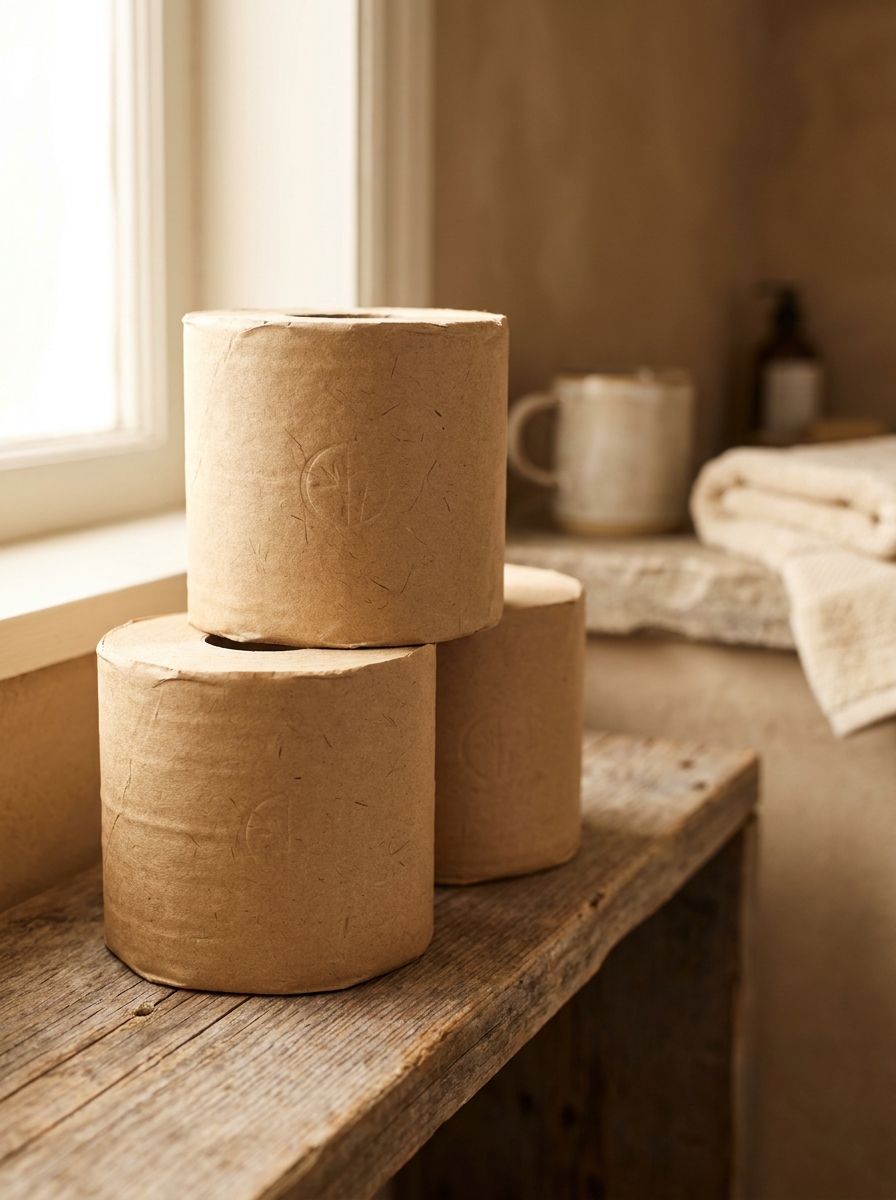
Plastic-Free Toilet Paper
🪴 Product Image Replace with bamboo toilet paper photo
10
Bathroom Essential

Plastic-Free Toilet Paper

Replacing: Plastic-wrapped toilet roll

Most toilet paper arrives wrapped in plastic film that goes straight to landfill. Bamboo toilet paper is softer, more sustainable than wood pulp, and almost always comes wrapped in paper or cardboard packaging. Some brands also plant trees with every purchase.

Tip

Buy in bulk to reduce packaging further and save money per roll.

Impact

Removes significant plastic from your weekly shop.

Getting Started

Where to
begin

If you are just beginning your zero-waste bathroom journey, start with the items you use most and replace them one at a time as they run out. Small changes compound into something significant.

  • I
    Bar SoapEasiest swap, costs less, no adjustment needed.
  • II
    Natural LoofahDirect replacement for your shower puff, compostable in weeks.
  • III
    Bamboo Bath BrushA direct swap that also upgrades your shower routine.
  • IV
    Solid Facial CleanserBiggest visual impact on reducing single‑use plastic clutter from bulky bottles and tubes.
  • V
    Safety RazorUpfront cost pays off within 2 to 3 months.

On Cost

Eco-friendly does not mean expensive

Many people assume eco-friendly products cost more. Some do have a higher upfront cost (a safety razor, for example), but almost all of them work out cheaper over time because they last so much longer.

A set of reusable cotton rounds costs around $8 to $12 and replaces $30 to $40 worth of disposable pads per year. A natural loofah lasts significantly longer than synthetic plastic shower sponges and creates less waste over time. A safety razor pays itself back in blade savings within a few months.

Going plastic-free in the bathroom is not just better for the planet. Over the course of a year, it is almost always better for your wallet too.

Final Thoughts

Small choices,
lasting change

The bathroom generates more single-use plastic than almost any other room in the home, but it is also one of the most satisfying places to make changes. The products are simple, the swaps are easy to find, and the results are immediate.

You do not need to overhaul everything at once. Pick one swap this week. Notice how easy it was. Then pick another one next month.

That is how sustainable living actually works: not a dramatic overnight transformation, but a quiet, steady series of better choices that add up to something meaningful over time.

Sustainability isn't about perfection. Every swap you make, however small, genuinely matters.